
Where Duluth City Directory Evidence Survives
No official catalog source confirms a continuous Duluth-only publisher and year run. The dependable collection map therefore identifies verified regional holdings and access channels, then requires item-level confirmation before a volume is cited as a Duluth city directory.
| Collection | Years | Where Held | Access |
|---|---|---|---|
| Verified directory or reverse-directory item | Item-specific | GCPL or Georgia Archives catalog | Confirm title, publisher, year, and format before use |
| Gwinnett census microfilm | 1820-1920, except 1890 | Gwinnett County Public Library | Visit; print, save to USB, or email images |
| Regional newspaper microfilm | 1871 forward across named runs | GCPL | Visit, librarian appointment, or research request |
| Ancestry Library Edition and FamilySearch | Collection-dependent | GCPL branches | On-site licensed access |
| HeritageQuest | Collection-dependent | GCPL through GALILEO | Remote access with library credentials |
| Federal census schedules | Released schedules subject to 72-year rule | National Archives | Online guides and archival access |
The gap itself matters: no unsupported Polk run, publisher change, first issue, or last printed year should be invented. Catalog terms may use Howell's Cross, Gwinnett County, a land district, or a regional title rather than modern Duluth.
GCPL Gives Duluth Researchers Several Doors In
The Duluth branch opened in 1968, and its replacement opened May 25, 2021 at twice the former branch size. More important than the building story is the access mix: physical microfilm, on-site Ancestry and FamilySearch, remote HeritageQuest through GALILEO, catalog help, and article or obituary research requests.
The GCPL Ancestry Library Edition page explains the in-building route.
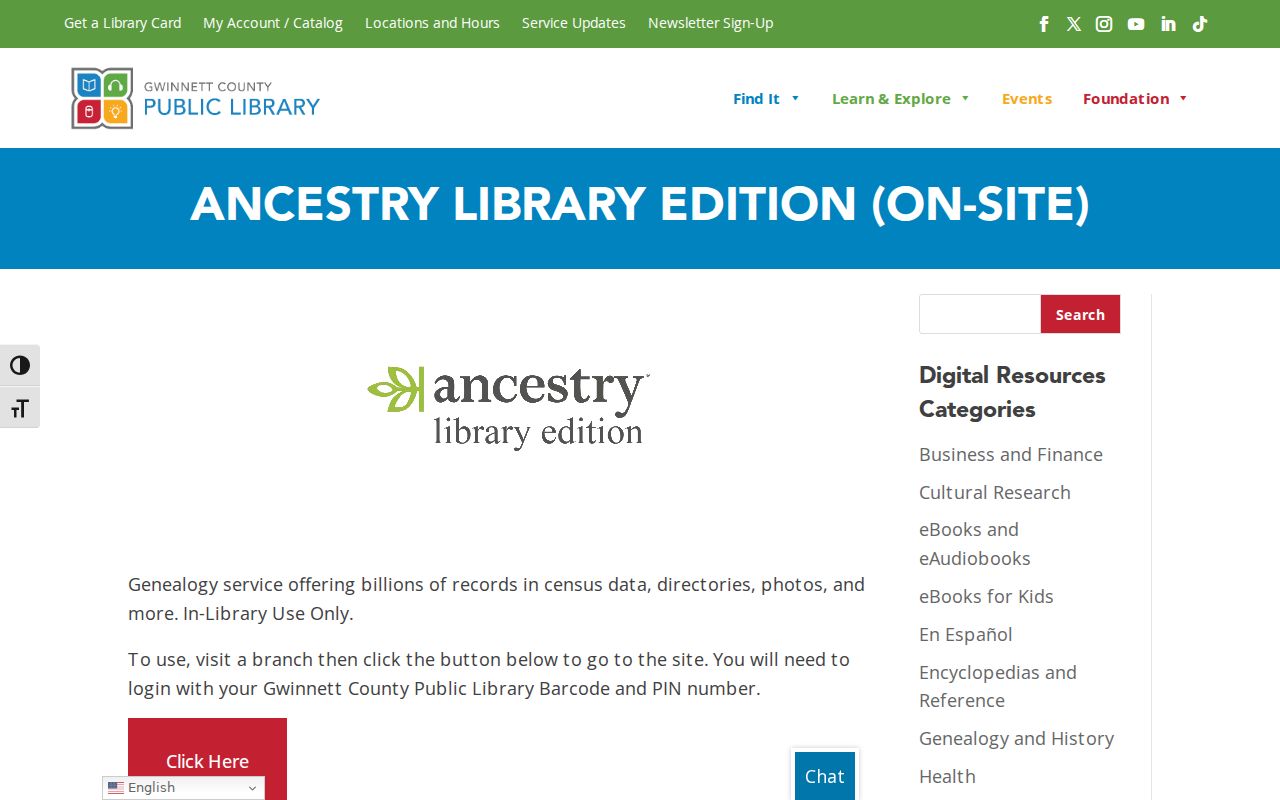
This licensed collection can supply directory and census images that an open catalog record cannot.
Remote Duluth Genealogy Starts With HeritageQuest
HeritageQuest provides a separate remote route through GCPL and GALILEO, while Ancestry Library Edition remains on-site. That contrast prevents wasted travel and clarifies why the same city directory search may show different image access at home and in a branch.
The GCPL HeritageQuest guide gives the credential path.

Record the database, collection title, image number, and access date so another researcher can repeat the find.
Duluth Household Clues Cross Five Newspaper Titles
GCPL holds Weekly Gwinnett Herald from June 1871 through December 1897; News Herald from July 1894 through January 1965; Gwinnett Daily News from February 1965 through September 1992; Gwinnett-Post Tribune from October 1992 through September 1995; and Gwinnett Daily Post from September 1995. Gwinnett Home Weekly spans March 1977 through October 1992.
The identified Gwinnett Daily News edition shifted from Lawrenceville to Duluth on July 16, 1991. An obituary or society search must bridge title changes. Legal notices can lead to estates, name changes, and property, while school and civic news can separate people with the same name. GCPL readers can print, save to a thumb drive, or email an image.
Decode a Duluth City Directory Entry
No authenticated Duluth sample page was available for a real-person transcription. The safe inventory below describes common fields to verify against the volume's own key, not facts about a named resident.
| Name | Listed person or householder, sometimes with a spouse reference |
|---|---|
| Occupation | Trade or role, sometimes paired with an organization |
| Address | House number and street using the volume's abbreviations |
| Status marks | Possible owner, renter, boarder, or widow notation only where the key defines it |
| Cross-reference | A pointer to another name, business, street, or householder entry |
- Criss-cross directory
- An address-first section arranged by street and house number.
- Householder index
- A name list centered on the person presented as head of the listed household.
- Abbreviation key
- The volume's own guide to marks, street forms, occupations, and status codes; capture it before interpreting entries.
Trace Family History Across Duluth City Directories
A directory clue becomes stronger when it is placed between a census, newspaper, deed, or probate event. Work one verified year at a time and retain the exact spelling used by the source.
- Confirm the volume's title, publisher, year, geography, and abbreviation key.
- Find the name with initials, married names, compound surnames, and spelling variants.
- Copy the entry and inspect any criss-cross section for the same address.
- Compare the household with the nearest released federal census, including 1950.
- Bridge later gaps through GCPL newspapers and earlier ones through probate, church, tax, or archive records.
- Record a disappearance as an open question until another source explains it.
A missing listing may mean omission, altered spelling, a move, death, a changed publication boundary, or no subscription. It is not proof by itself. Gwinnett Probate's scanned surname estate indexes from the 1800s through 1990 can extend a trail when newspaper evidence suggests a death.
Carry a Duluth City Directory Trail to Georgia Archives
Georgia Archives provides catalogs, county records, church and cemetery material, manuscripts, and research-room access. Search both Duluth and Howell's Cross, plus Gwinnett and land-district terms. A catalog result is a finding aid; request the item and inspect its scope before calling it a city directory.
The Georgia Archives research page is the official entry point.
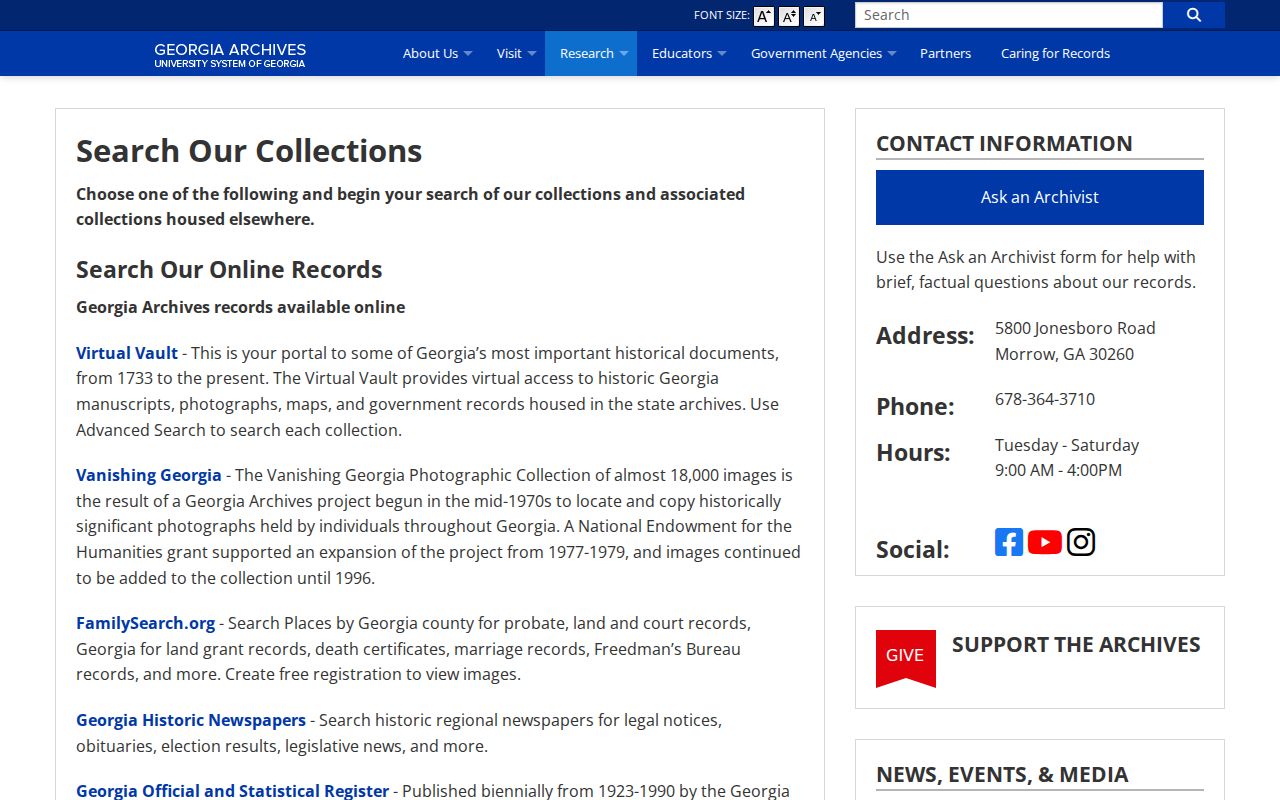
Archive staff and item descriptions help resolve whether a regional volume truly includes Duluth.
Pair Duluth Listings With Federal Census Schedules
Named census schedules are released under the 72-year rule. GCPL has Gwinnett census microfilm from 1820 through 1920 except the lost 1890 census, while the National Archives explains federal schedule access. Census households add relationships and ages that a city directory normally does not.
The National Archives census research guide supplies the federal route.
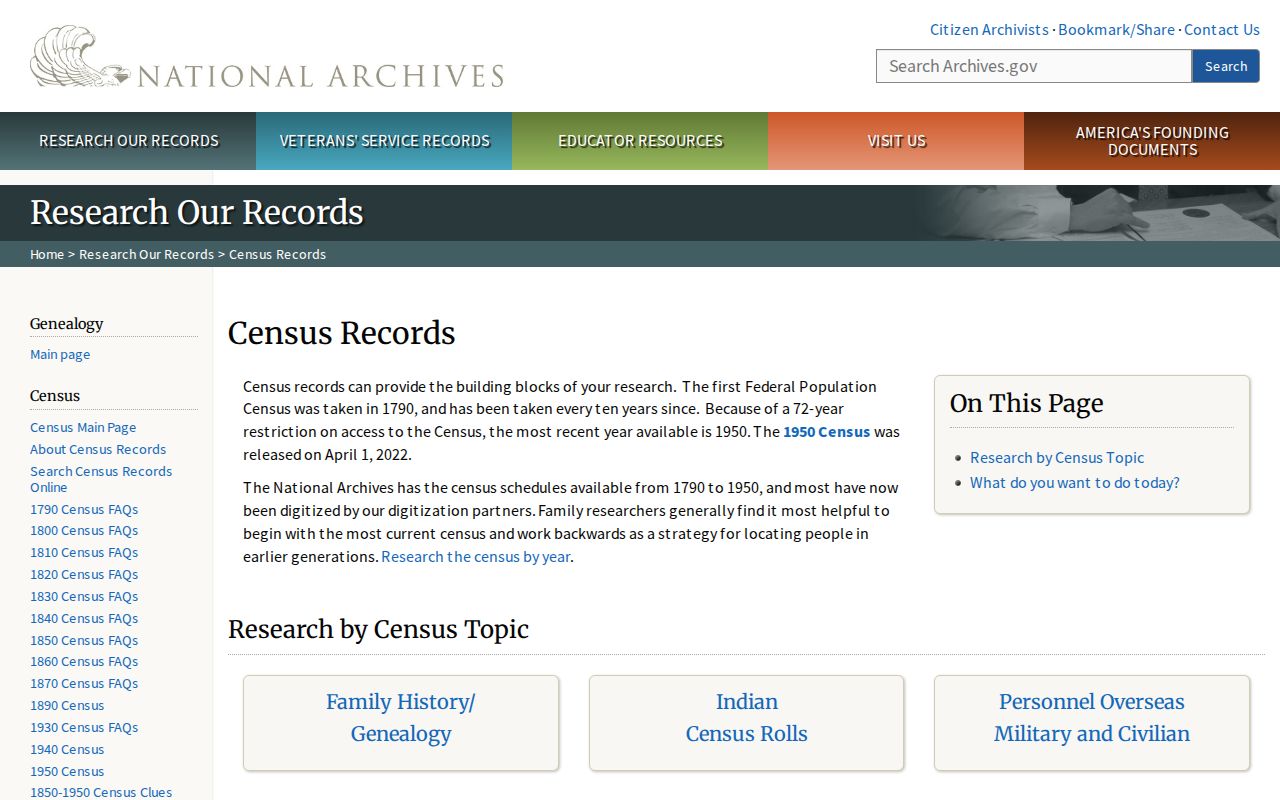
Use census geography, neighbors, and names to test a directory match, not to force two similar entries into one identity.
Why a Duluth Listing Can Vanish
A city directory was a publication, not a universal census. A household may be outside the publisher's coverage, unlisted, indexed under another name form, or described under Gwinnett rather than Duluth. International migration and local growth also demand care with transliteration, name order, compound surnames, and married names. Never infer identity or ethnicity from a name.
When online search ends, ask GCPL for catalog or article help, visit a branch for licensed sources, contact Georgia Archives for an identified item, or use NARA for federal schedules. Those access channels are complementary, and none justifies inventing a missing year.
Check the abbreviation key and scan nearby entries before deciding that a household moved. Initials, widow notations, occupations, spouse names, and a changed street label can resolve an apparent gap. Cite the item inspected, including title, year, page, and repository. If only a database index is available, label it as an index and seek the image or original volume before treating every transcribed detail as final.
Extend Duluth Directory Trails Through Probate
A Duluth city directory trail often ends when a listed person dies, leaves the publication area, or appears under a different household name. Gwinnett Probate Court can supply the next lead. Its scanned historical estate indexes run by surname in grouped periods from the 1800s through 1990. An index entry may point to an estate book and page, administrator or executor, bond, inventory, return, or other filing. Those references can identify relatives and property connected with the estate, but the index is only a finding aid. Request the underlying file or book entry before relying on the relationship.
Begin with the last verified city directory or newspaper entry. Record the full name, spouse or widow notation, address, occupation, publication title, year, and page. Search the GCPL newspaper runs for an obituary, death notice, probate notice, or property notice near the expected date. Then check the Gwinnett Probate records route under spelling variants and initials. If the index supplies a book and page, include both in a staff or copy request. Modern estate matters may appear through the county case-search gateway, while older files can require clerk retrieval.
The access route is broader than a web search. Researchers may use the scanned surname indexes, contact the Probate Clerk for an identified record, visit the courthouse, or ask about a copy. GCPL can help with the obituary or article side of the search. Georgia Archives can hold county, manuscript, Bible, church, cemetery, and genealogical material that adds context. Search the archives catalog under both Gwinnett County and Duluth because item descriptions may name only the county or an older place name. Ask for the exact collection, box, folder, film, or volume cited in the finding aid. None of those institutions can certify another custodian's record, so keep the source and repository with each fact.
Property in an estate may also connect to the post-1871 deed system. Move a verified estate name or land reference into the GSCCCA grantor-grantee index, then compare legal descriptions rather than relying on a street address alone. Gwinnett's earlier deeds were lost in the courthouse fire, and no directory or probate clue restores a missing instrument. A later deed may recite earlier facts, but it remains a later source. This combined method turns a gap in a Duluth city directory into a documented research path without pretending that every named heir lived at the listed address.
Note: A missing directory entry is a prompt to check nearby years, alternate names, newspapers, census schedules, probate indexes, archives catalogs, and the original item record before drawing any conclusion.