
Duluth Neighbor Record Sources
A block lookup works best when each source answers one narrow question. The map shows which parcels count as nearby. The assessment roll names owners. Permits can date work at an address, while a lawfully obtained voter file may show only registered voters after protected data is removed. None of these is a complete list of Duluth neighbors or households.
| Source | What It Shows About a Block | Access |
|---|---|---|
| Gwinnett GIS and assessor | Parcel shapes, situs address, owner and separate mailing address | Free county web tools |
| GSCCCA deed index | Transfer parties, dates, and legal descriptions for selected parcels | Web terms or free office viewing |
| Duluth or county permits | Work, service address, and applicant or contractor roles | Portal or records request by jurisdiction |
| Georgia voter records | Registered-voter presence within lawful products | MVP is personal; bulk lists have statutory controls |
| Verified reverse directory | Listed subscriber or occupant at an address in a covered year | Library or archives, item-specific |
| Community organizations | Public officers, contact routes, and events | Only information intentionally published |
Ownership and occupancy must stay separate. A corporation, trust, estate, or person who receives tax mail elsewhere may own a nearby parcel. Renters and many household members do not appear on the property card. Even homestead status is only evidence consistent with qualifying owner occupancy.
Map Duluth Neighbors Parcel by Parcel
Use the Gwinnett GIS Browser to locate the subject address. Zoom until parcel lines are clear, then use the identify tool on lots sharing an edge and on lots across the street. A radius or buffer tool was not verified in the official research, so do not assume one exists. Map clicks are enough for a careful, small block study.
- Search the normalized street address and select the correct result.
- Save the parcel number, visible map extent, and a share link or printout.
- Click each adjoining and facing parcel separately, then open its assessor record.
- Record owner, situs address, mailing address, legal description, and parcel ID without merging those fields.
- Use deed or permit records only for the few parcels that need more context.
This gives a compact set of nearby owners, not a list of all your neighbors. For a full named road rather than the immediate block, use the Duluth street directory workflow.
Check Duluth Block Geography
Postal city, city limits, school zone, and tax district answer different questions. A street address marked Duluth may be inside the city, in unincorporated Gwinnett, or near another municipality. That distinction decides whether the city or county holds a permit, code, police, or planning file. Confirm the parcel and boundary before contacting Duluth City Hall.
Older neighborhood work may also need Howell's Cross or Howell Crossing as catalog terms. Modern addresses can fail in old newspapers because a story names a subdivision, land district, crossroads, or Gwinnett County instead. No official citywide Duluth street-renumbering date was found, so a changed number must be proved from a plat, deed, permit, or ordinance rather than assumed.
Note: A parcel map gives administrative context, not a legal boundary survey or proof of who sleeps at an address.
Duluth Voter Data Limits
Georgia My Voter Page is not a block browser. It asks the voter for a first initial, last name, county, and date of birth, then shows that person's status, precinct, polling place, elected officials, and ballot information. Typing a nearby street cannot enumerate Duluth neighbors.
The Secretary of State offers voter-list products under O.C.G.A. sections 21-2-225 and 21-2-229. Any lawful file still covers registered voters only. It leaves out children, noncitizens, unregistered adults, and protected fields. Georgia does not register voters by political party, and participation history never shows a ballot choice. County Elections is the proper custodian for precinct records and locally held election material.
Duluth Community Contact Boundaries
The city's permit portal accepts permit type, permit number, or service address. It can connect work to an address, but a result may name an applicant, contractor, or owner. For postal Duluth outside the city, the county planning office is the better route. When the online result is thin, request an existing file with the exact parcel, service address, and date range. The city need not create a new neighbor list.
Official research found no comprehensive city-published HOA or member directory. Use the City of Duluth community resources and Georgia corporate filings to verify public organization contacts. A board officer, registered agent, or manager is a public contact in that role, not proof of home ownership or residence.
City of Duluth
Use community pages for public civic contacts and city open records for existing municipal files.
Gwinnett County
Use GIS, the assessor, Elections, or county planning when the mapped parcel or record falls there.
Community Groups
Use only officer, event, or contact details the group chose to publish. Do not presume access to private rosters.
Official Duluth Records Versus Compilations
Commercial neighbor tools compile many sources and may lag behind a deed, merge people with similar names, or attach an old phone number to the wrong home. Official records are narrower but name the custodian and date. Use the parcel number and legal description to keep one property distinct from another.
| Source Type | Strongest Use | Main Limit |
|---|---|---|
| GIS and assessment roll | Define the block and identify parcel owners | Does not list every occupant |
| Deed or permit file | Confirm a dated legal or project role | A named party may not reside there |
| Commercial compilation | Possible lead for later official checks | Stale, merged, or recycled data |
Correct a public-record error with its custodian. For a compiled listing, use the publisher's privacy or removal channel and provide only the minimum data needed. Recheck later because republished records can return.
Research Past Duluth Neighbors
Historical neighbors call for dated sources. Public named census schedules reach 1950 under the 72-year rule. GCPL holds Gwinnett census film from 1820 through 1920, with the national 1890 gap. A verified reverse directory can place listed subscribers by house number, but an official Duluth-specific year run was not located. Check each volume's title, coverage, and date.
The Census Bureau historical access background helps separate published data products from named schedules.
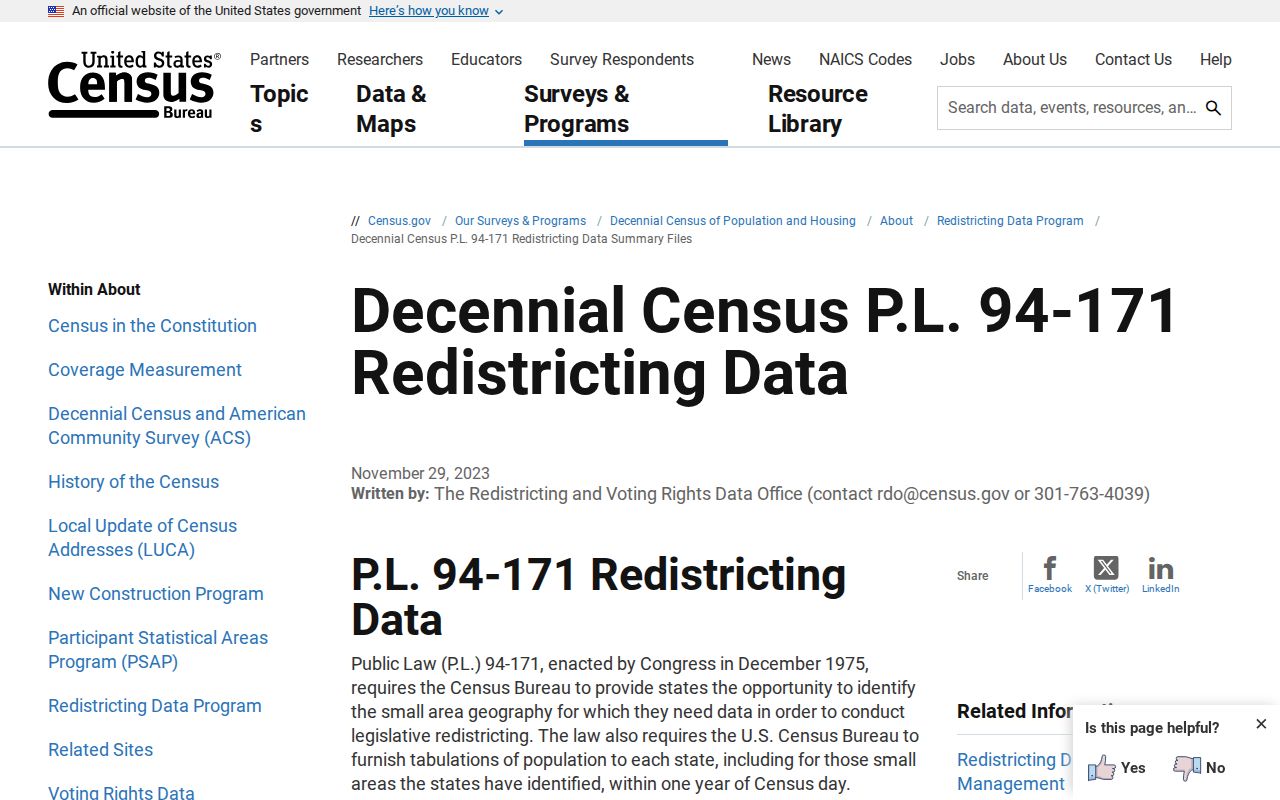
Pair a census with local newspaper runs and parcel evidence. GCPL microfilm begins with the Weekly Gwinnett Herald in 1871 and continues through later title changes, including the Gwinnett Daily News edition shift to Duluth in July 1991.
Keep Duluth Safety Searches Narrow
Specialized government tools answer different public-safety questions. They are not general neighbor directories, and a result must not be treated as a verdict about a block. A jail booking is not a conviction. State correctional custody differs from local jail status, while a registry has its own statutory scope and warning.
The Gwinnett Sheriff inmate search reports local custody data that can change quickly.
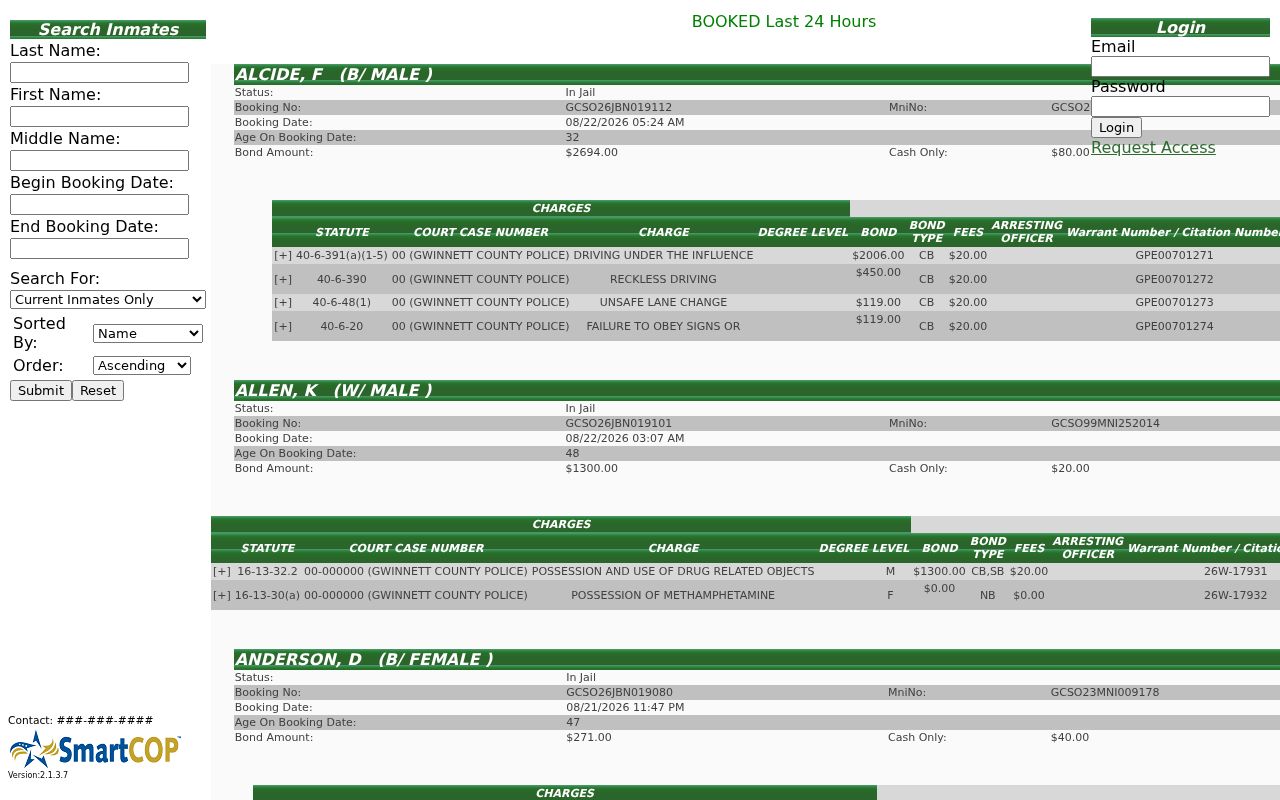
Verify charges and final disposition in the correct court rather than drawing a conclusion from custody alone.
The Georgia Department of Corrections search covers the state correctional system.
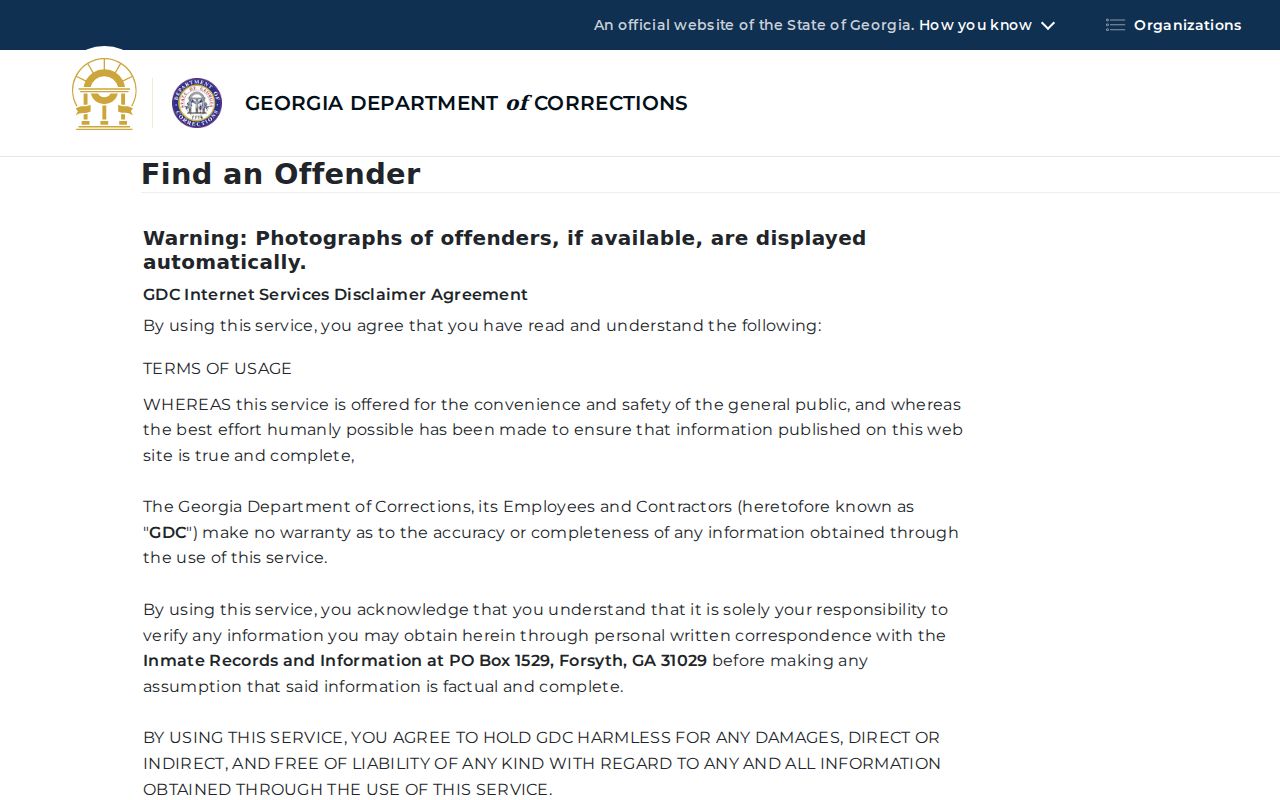
It does not replace a Gwinnett court file or the local jail roster.
The Georgia Bureau of Investigation registry is a separate official system with legal-use warnings.
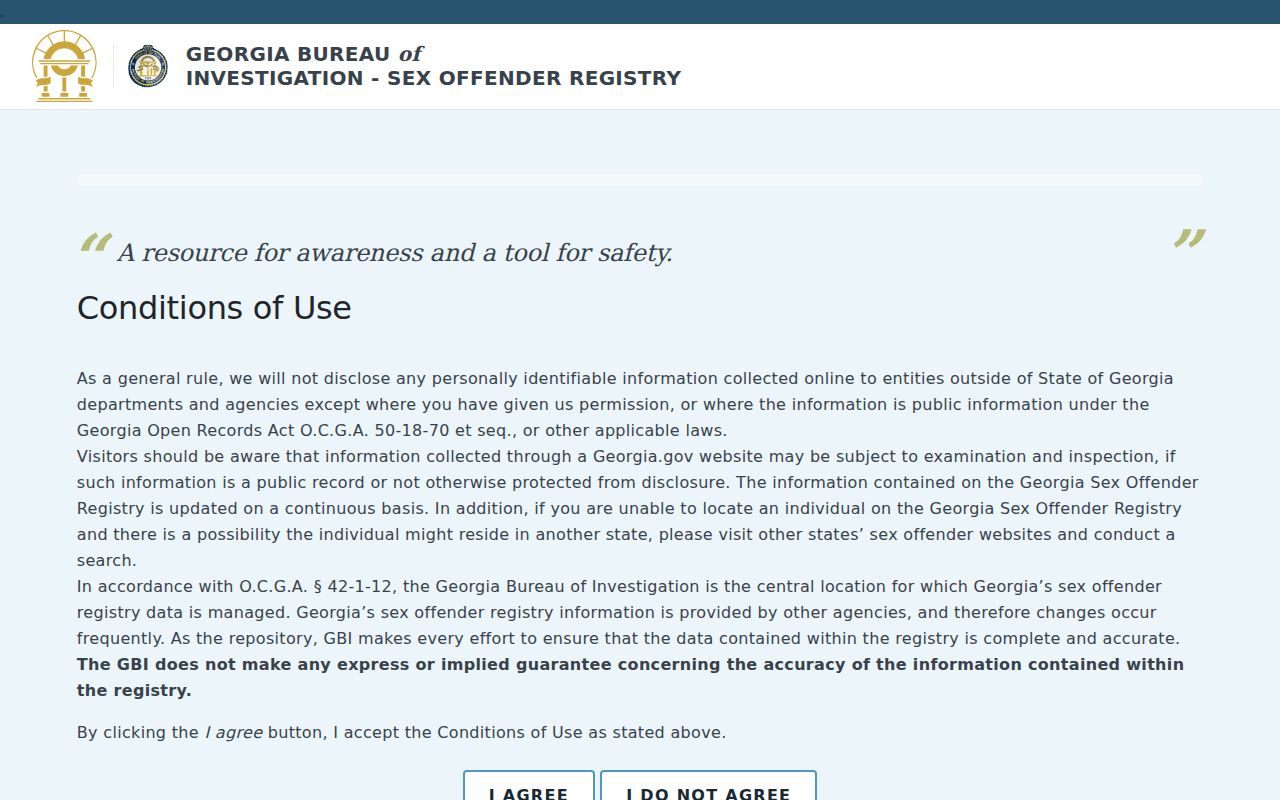
Use its own definitions and current record details. Do not turn a geographic result into a claim about every nearby resident.
Respond to Duluth Record Scams
Public ownership data can fuel official-looking deed-copy mail, fake property alerts, and family emergency scams built from obituary details. Verify a notice through a phone number typed from the agency's official domain. Gwinnett and GSCCCA offer free FANS filing alerts by name, address, or document reference, but an alert does not block or validate a filing.
For national impersonation or fraud, use the Federal Trade Commission reporting channel.
Suspicious property filings should also go to the Gwinnett Clerk's Deeds Division and law enforcement. An immediate threat belongs with 911 or the correct local police agency.
Protect Duluth Neighbor Privacy
Utility accounts, motor-vehicle addresses, full dates of birth, and protected voter data are not public block directories. Georgia Safe at Home gives eligible survivors a substitute address. Never compare databases to expose the real location behind that protection. Public congregations, watch groups, civic clubs, and neighborhood groups should be used only when they intentionally publish a contact or roster.
A good Duluth neighbor lookup stops when the public source stops. Record what the map or file proves, note the date, and leave household guesses out. Georgia stalking and harassing-communications laws can apply when public information is used to follow, surveil, contact, or intimidate unlawfully.
Use direct contact when a practical block issue can be solved without a record search. A polite note, a public association meeting, or a city service request often answers the real question with less private detail. For a historic question, preserve the source date and distinguish a former household from the people present now. That discipline keeps neighborhood research useful and fair.
Lawful use. Use Duluth neighbor records for civic contact, history, and personal safety awareness. Never use them to watch, harass, intimidate, or expose anyone.
Note: Recheck every dated result with its official custodian before drawing a conclusion about current Duluth neighbors.