
Duluth Previous Resident Sources
No single record names everyone who once occupied a Duluth home. The best backward search layers ownership, household, and event sources by date. Start with the current parcel when the modern address is known. For an older family name, begin with a census, newspaper, or probate entry and then connect the person to land. The table keeps the limits visible, including the fact that Duluth-specific reverse directory years have not been confirmed in an official catalog.
| Source | Years It Covers | Where Held | What It Shows |
|---|---|---|---|
| Deed index and images | September 26, 1871 to present | Gwinnett Clerk and GSCCCA | Owners, transfer parties, dates, and legal description |
| Probate estate indexes | 1800s through 1990 in scanned index sets | Gwinnett Probate Court | Decedents, executors, heirs, and file leads |
| Gwinnett census film | 1820 through 1920, with 1890 missing | Gwinnett County Public Library | Households and census-place context |
| Named federal census | Public through 1950 | NARA and library databases | Occupants, relationships, and occupations |
| Local newspapers | 1871 forward in documented runs | GCPL microfilm | Deaths, sales, notices, and neighborhood events |
| Reverse directories | Title and year must be checked | Archives and licensed databases | Listed subscriber or occupant by address |
| Duluth permits | Online start date not stated | City eSuite or county office by jurisdiction | Work dates and named project roles |
For most previous-residents research, deeds create the dated spine and other sources fill in the household. A renter may never appear in the land chain. Likewise, a named permit applicant may be an owner, builder, or contractor rather than a past resident. Label each role exactly as the source does.
Start Duluth Previous Residents Search
Enter the property or situs address in the Gwinnett property and GIS search. Situs means the physical location of the parcel. Copy the parcel or PIN, owner name, separate owner mailing address, legal or subdivision description, and deed book and page. The parcel number is the safest link between the roll and map when a street name is abbreviated or formatted in a new way.
Next, use the county map to confirm that the result is the right lot. A mailing address that says Duluth can sit outside incorporated Duluth, so city permits are not always the correct next stop. For a current, full named-street method, the Duluth street directory explains the address-first workflow without treating ownership as occupancy.
Note: A homestead exemption can support owner occupancy, but it does not name every person who shared the Duluth home.
Trace Duluth Residents Through Deeds
The Gwinnett County Clerk of Superior Court records the real-estate chain. A title chain is the linked series of transfers for the same land. Search GSCCCA Real Estate with the current deed citation or owner name, then follow the seller into an earlier purchase. Names help locate a candidate document. The legal description confirms that each deed concerns the same parcel.
- Save the current parcel number, exact legal description, owner name, and deed book and page from the assessor card.
- Open the current purchase deed. Record the grantee, grantor, execution and recording dates, legal description, and return address.
- Search that grantor as an earlier grantee. Use initials, prior surnames, estates, trusts, or entity variants when the exact name fails.
- Compare lot, block, subdivision, land district, and deed references. Do not join two deeds on a common surname alone.
- Repeat until the chain reaches the local fire cutoff or another documented gap. Then turn to probate, tax digests, newspapers, and maps.
- Grantor
- The party transferring or encumbering an interest. A grantor is not automatically a former occupant.
- Grantee
- The party receiving an interest. A lender named on a security deed is not the home's new owner.
- Chain of title
- The linked record of transfers for the same land.
- Legal description
- The controlling land description, often a lot, block, subdivision, or metes-and-bounds description.
Duluth's 1871 Record Line
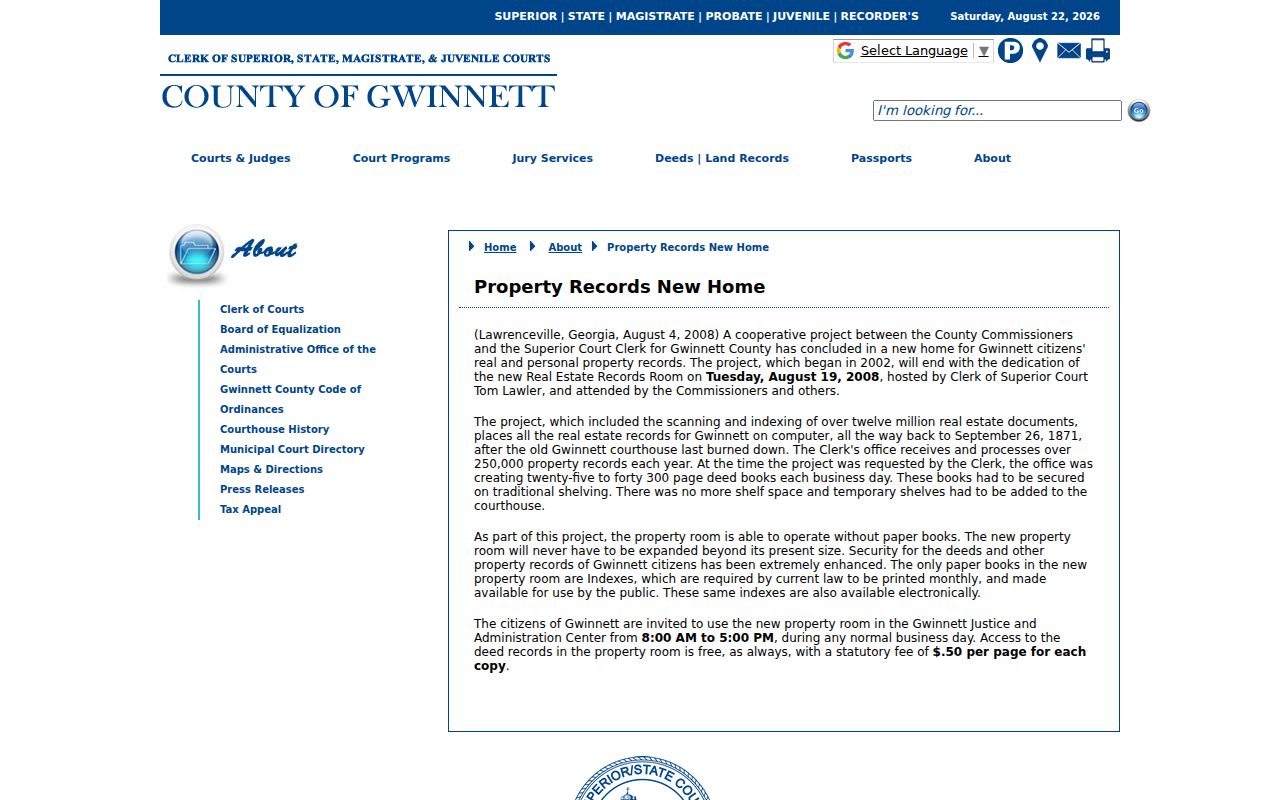
Gwinnett's former courthouse records burned, so the Clerk dates its surviving real-estate series from September 26, 1871. That is a true limit, not a weak search result. The county later scanned and indexed more than twelve million property documents during a 2002 to 2008 project, taking the searchable collection back to the surviving start date.
The Gwinnett property-room history shows why previous-residents work can be rich after the cutoff yet incomplete before it.
The fire did not erase every other source. Probate books, tax digests, plats, newspapers, federal schedules, and family or church material may preserve pieces of a pre-1871 trail. Describe any reconstructed chain as evidence, not as a replacement for the missing deed.
Access Duluth Previous Resident Deeds
Online images are only one route. The Deeds and Land Records Division is at 75 Langley Drive in Lawrenceville and is open Monday through Friday, 8:00 a.m. to 5:00 p.m.; its recording counter closes at 4:30 p.m. Searching and viewing at the office are free. Call 770-822-8100 for procedure, or mail a focused request to P.O. Box 2050, Lawrenceville, GA 30046. Web image terms and fees can differ from counter access.
A narrow Georgia Open Records Act request may seek an existing monthly index or specified electronic field. It cannot force staff to create a new house history. Older tax material and catalogs may require GCPL or Georgia Archives. Office copies, eligible eCertification, and the web image service are distinct channels, so choose the form that matches the need.
Note: Always confirm current copy costs with the Clerk before ordering a large Gwinnett deed or plat set.
Match Duluth Past Households
Owners are only part of a previous-residents trail. A verified reverse, or criss-cross, directory can list an address before the subscriber's name. Federal census sheets can add household members and relationships. GCPL holds Gwinnett census microfilm from 1820 through 1920, except the destroyed 1890 schedule, while public named federal schedules now reach 1950.
- Find the deed owner and date range first, then search the nearest verified directory year by both surname and street.
- Use the closest public census year to test the address, household names, relationships, and occupation.
- Check adjacent directory volumes. A missing name may mean a coverage gap, nonresponse, or unlisted phone, not a move.
- Search the newspaper title that covered the same period, then use an obituary or legal notice to reach probate.
The directory collection has an important gap: no official source confirmed a continuous Duluth-only publisher and year run. Verify the title page, year, publisher, coverage area, and abbreviation key before citing an entry. The full research method appears on the Duluth city directory page.
Confirm Duluth Past Resident Events
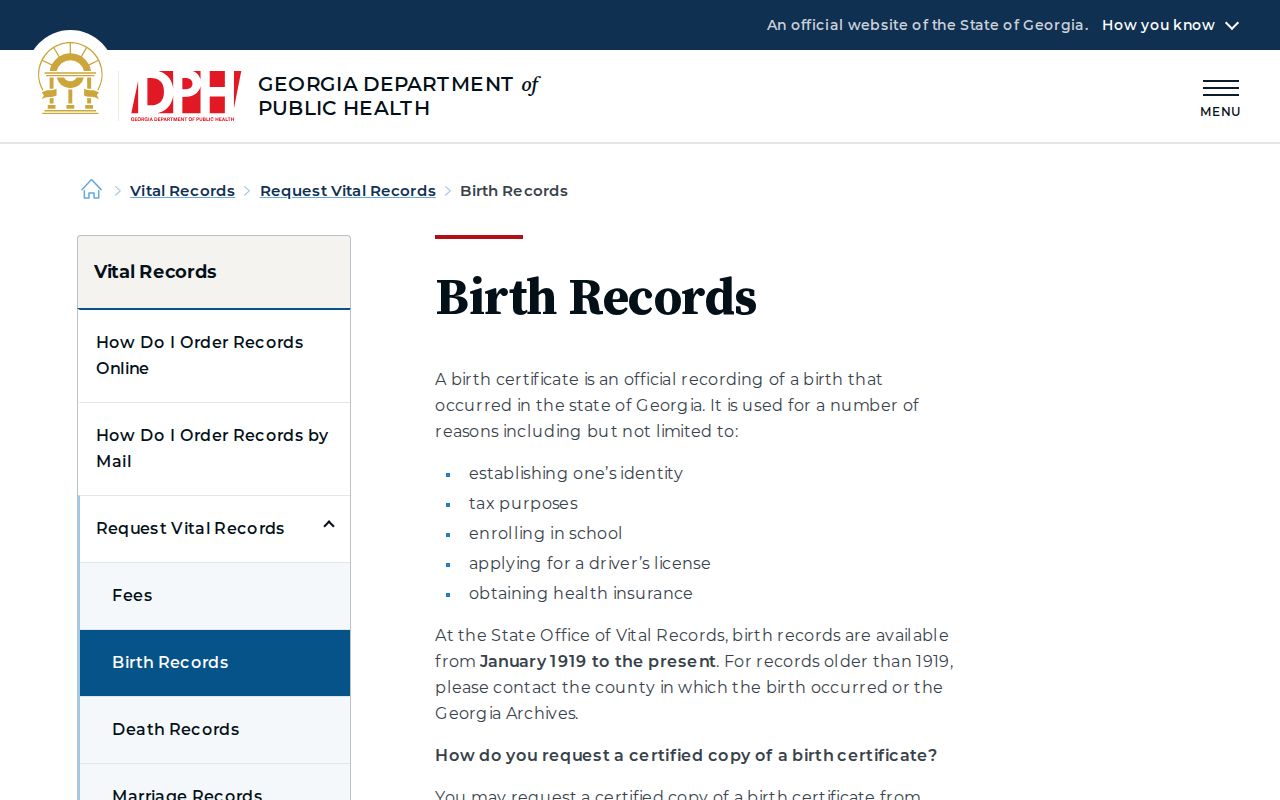
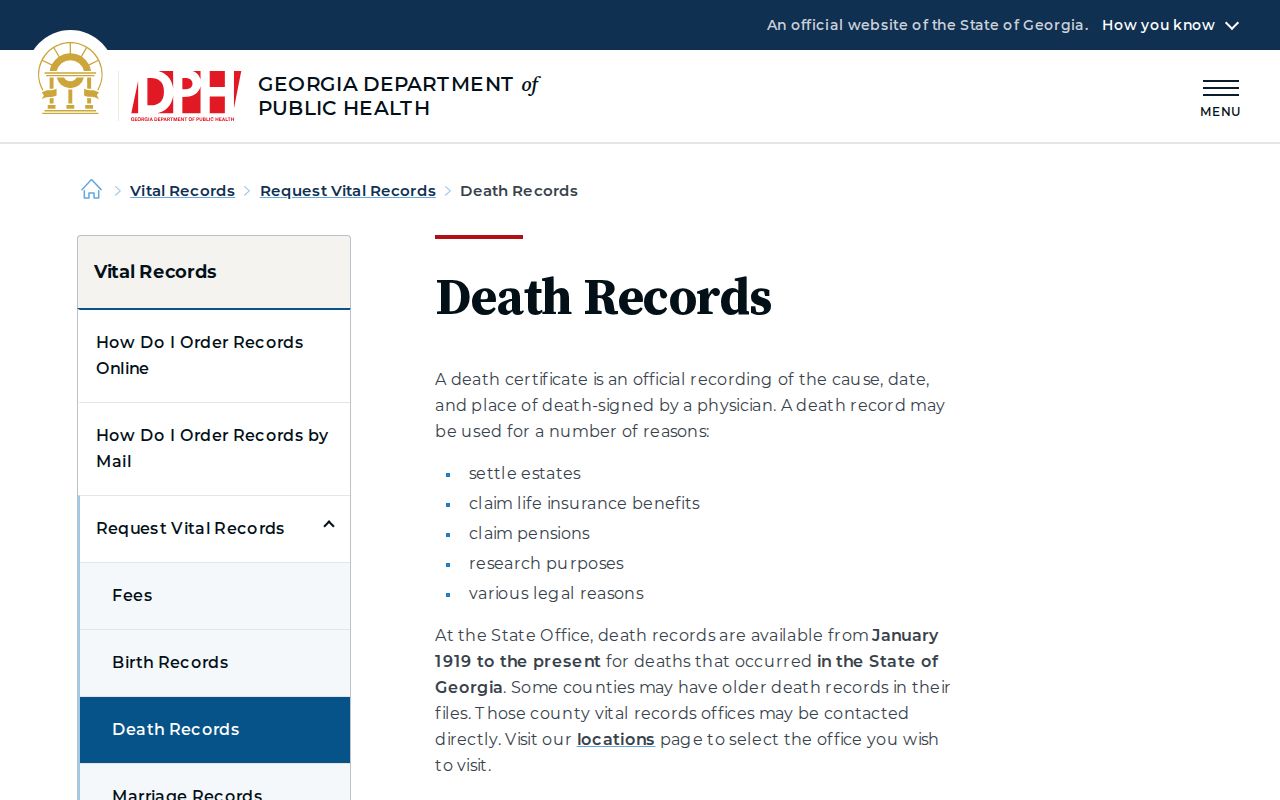
Vital records can confirm a family event near the end of a trail, but they are not open name browsers. Georgia DPH holds statewide births and deaths from January 1919. Birth certificates require the direct or tangible interest set by state law. Certified death copies also require a qualifying interest, while DPH describes a plain-paper death record route for the public with the Social Security number redacted.
The Georgia birth-record instructions show the request route for an eligible Duluth family researcher.
Birth evidence should support a documented relationship, not be used to guess who occupied a parcel.
The Georgia death-record page separates certified and redacted plain-paper access.
A death record may connect a person to relatives and a place, while an obituary or probate file can add the local detail needed to test the address.
Extend Duluth Resident Trails Through Probate
When an owner dies, Gwinnett Probate Court may provide the next link. Its scanned estate indexes cover surname groups from the 1800s through 1977, then numbered sets for 1977 through 1990. Later files and selected documents use the probate portal or a request by emailed form, in person, or through staff. An estate record may name an executor, heirs, and property references that return the search to the deed chain.
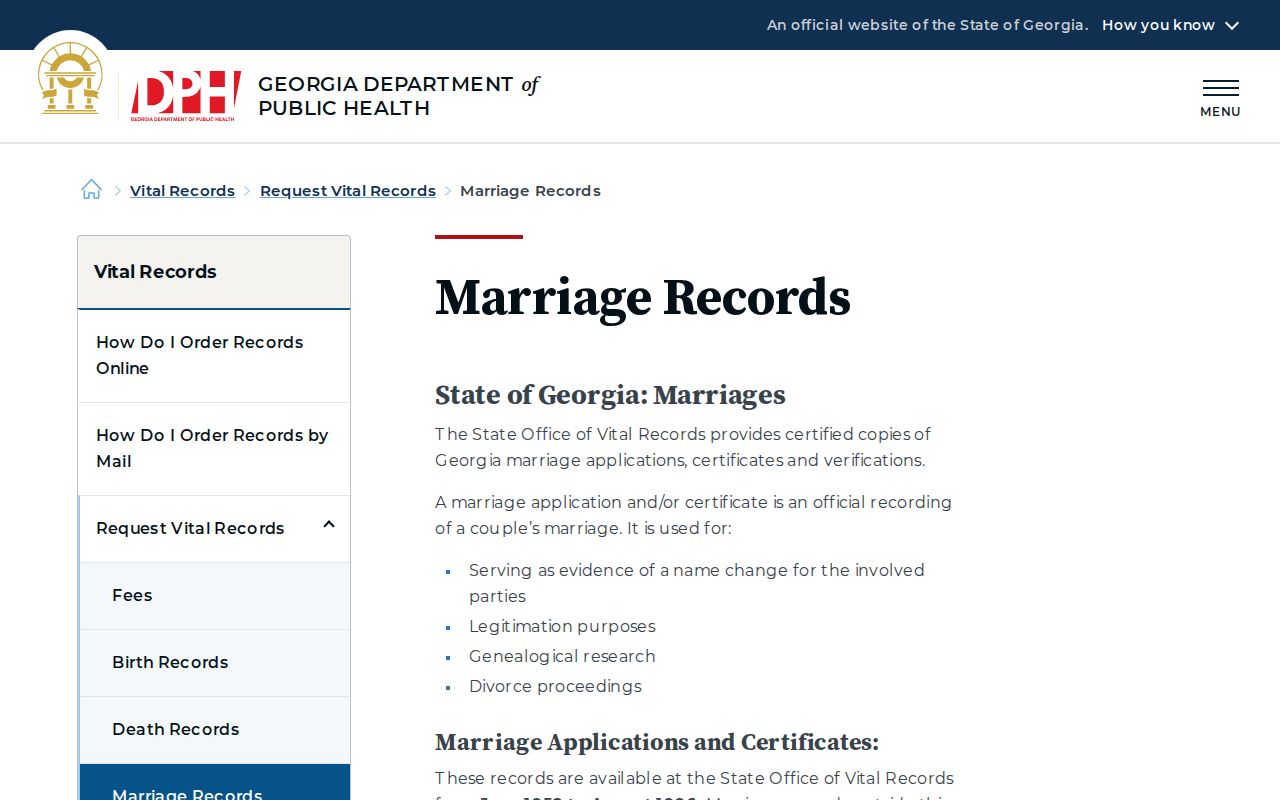
Marriage coverage is split. Gwinnett Probate holds county licenses, while DPH has certified applications and certificates for June 1952 through August 1996 and verification from 2014 forward. The state marriage request page explains those ranges.
Other marriage years belong with the probate court that issued the license. A state verification is not the same item as a county certificate.
The Georgia vital-record fee schedule is the place to check current costs before ordering.
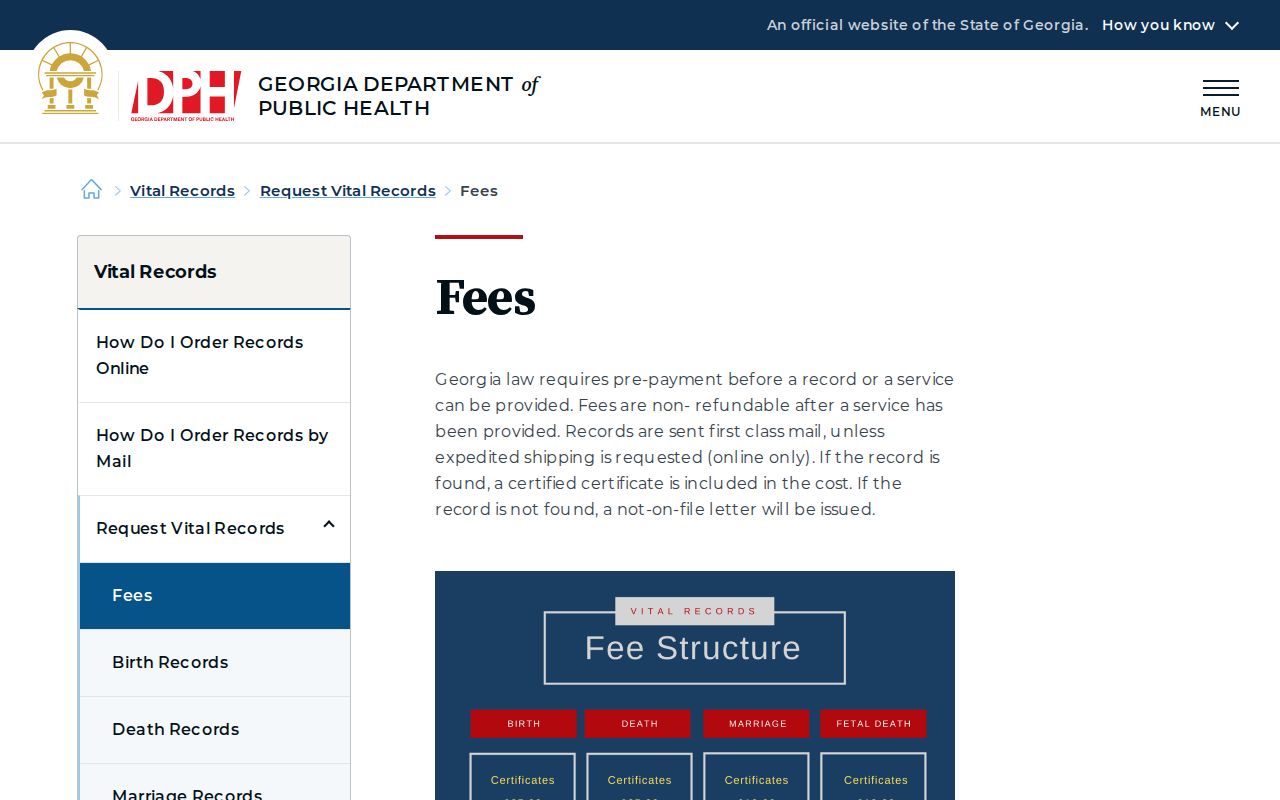
Order only after the names, event type, place, date range, eligibility, and proof documents are clear.
Date Duluth Previous Resident Changes
Maps and permits help explain a building, but they rarely identify all previous residents. Search the Duluth eSuite permit system by service address for incorporated parcels. For an unincorporated address with Duluth as its postal city, use Gwinnett Planning and Development instead. The applicant, contractor, or owner shown in a file must remain labeled by that role.
Sanborn fire-insurance maps may show footprint or use when a verified Duluth sheet exists. No official source confirmed exact Duluth sheet years, and no dated citywide street-renumbering project was found. Search Library of Congress, Georgia Archives, and library catalogs at item level. Older work may also be indexed under Howell's Cross, Howell Crossing, Gwinnett County, a land district, or a subdivision rather than the modern street.
Use Duluth Previous Residents Lawfully
House history, family research, heir work, and careful local history are sound reasons to trace past residents. Keep living people's private details out of public notes. Georgia Safe at Home protects substitute addresses for eligible survivors, and restricted records should never be pieced together to uncover a protected location.
Each source has a narrow meaning. A deed shows a legal interest, a census names a household at one enumeration, and an obituary reports family details that still need checks. Preserve citations and note uncertainty. That makes a Duluth previous-residents timeline useful without turning a clue into a claim.
Lawful use. Use Duluth previous-resident records for house and family history. Never use them to follow, harass, intimidate, or expose a living person.